2026 Best Pallet Racking Systems for Global Buyers?

Time:2026-10-10 Author:Aria
0%

Choosing the right Pallet Racking system in 2026 requires more than comparing prices and photographs. Global buyers need storage solutions that match warehouse size, pallet dimensions, handling equipment, workforce skills, and local operating conditions. A rack that performs well in a dry European warehouse may require different protection in a humid coastal facility. Small details matter.

This guide examines leading pallet racking options for international purchasing teams. It considers selective racking, drive-in systems, pallet flow designs, push-back racks, and automated solutions. Each system serves a different inventory profile. Selective racks offer direct access, while high-density systems maximize floor space. Automation can improve throughput, but it also increases installation, maintenance, and training demands.

Performance comes first.

Experienced warehouse planners usually verify load capacity, beam deflection, aisle clearance, forklift compatibility, floor strength, and seismic requirements before ordering. They also request engineering drawings, material specifications, inspection records, and clear warranty terms. Supplier reliability deserves equal attention. Factory audits, reference projects, spare-parts availability, and responsive technical support can prevent costly interruptions.

No single system fits every global buyer. That assumption is easy to make, and often wrong. Budget forecasts may also overlook shipping delays, import procedures, assembly labor, and future expansion. This overview therefore focuses on practical evaluation rather than attractive claims. It helps decision-makers compare safety, durability, accessibility, density, total ownership cost, and long-term adaptability before selecting a dependable racking partner.
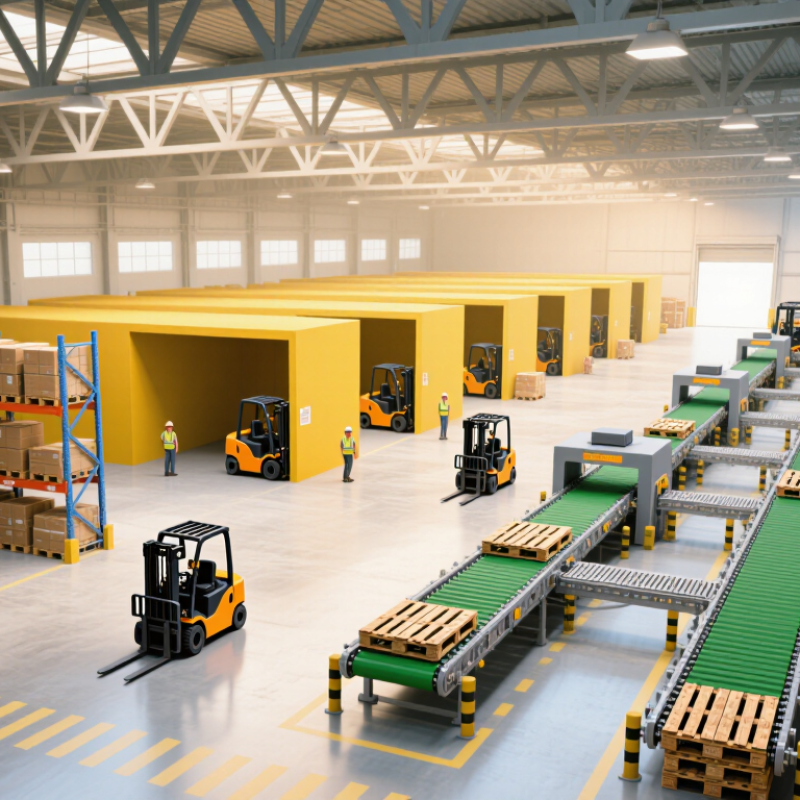
2026 Best Pallet Racking Systems for Global Buyers?

Pallet Racking Systems: Definition, Purpose, and Main Applications

Pallet racking systems are steel storage structures designed to hold palletized goods above the warehouse floor. They usually include upright frames, horizontal beams, safety locks, and pallet supports. The layout determines how forklifts load and retrieve products. Clear aisle widths matter.

Their main purpose is to increase vertical storage, improve inventory visibility, and support safer material handling. A well-planned system separates pedestrian routes from forklift movements. It also keeps load capacities visible at each bay. Warehouse audits often reveal overloaded beams, uneven floors, or missing protection posts. These details can reduce performance and create avoidable risks.

Pallet racking suits distribution centers, cold storage rooms, manufacturing plants, retail warehouses, and agricultural facilities. Selective racking offers direct access to every pallet. Drive-in designs improve density but reduce product rotation. Long-span shelving can support cartons and smaller components.

Tips: Confirm pallet dimensions, load weights, ceiling height, forklift reach, and local safety requirements before purchasing. Ask a qualified engineer to review the floor and structure. A low initial price can mislead. Future expansion, maintenance access, and replacement parts also deserve attention.

How to Evaluate Pallet Racking Systems for Global Warehouses

2026 Best Pallet Racking Systems for Global Buyers?

How to Evaluate Pallet Racking Systems for Global Warehouses

Choosing pallet racking for a global warehouse requires more than comparing steel prices. Evaluators should map pallet dimensions, unit loads, aisle widths, forklift turning radii, and future volume. Measure twice. Rack height must match clear roof space, sprinkler clearance, and handling equipment. Small measurement errors can create expensive, unusable locations. A site survey should record floor flatness, column positions, lighting, dock flow, and possible expansion zones.

Load capacity deserves careful verification. Ask for clearly documented beam and upright ratings, not only attractive catalog figures. Check whether ratings assume evenly distributed loads, specific beam spans, or particular connection designs. Operators should also review impact protection, anchoring methods, corrosion resistance, and inspection access. In humid coastal facilities, surface treatment may matter more than a lower purchase price. Local engineering requirements, seismic conditions, fire protection rules, and worker safety procedures must be confirmed before installation.

Automation changes the evaluation. A rack suitable for forklifts may not suit shuttles, conveyors, or narrow-aisle vehicles. Test pallet quality, barcode visibility, access tolerances, and recovery procedures for equipment downtime. I would not treat software compatibility as a minor detail. It can affect every retrieval. No assessment is perfect. Warehouse forecasts are often optimistic, while damaged pallets and seasonal surges are underestimated. A pilot bay, realistic load test, and documented maintenance plan can expose those weaknesses before the full system is installed.

Key Pallet Racking Types and Their Operational Differences

2026 Best Pallet Racking Systems for Global Buyers?

Key Pallet Racking Types and Their Operational Differences

For global buyers, the best pallet racking system depends on product flow, pallet variety, and available floor height. In warehouse assessments, I start by mapping receiving, storage, picking, and dispatch movements. Selective pallet racking offers direct access to every pallet. It suits mixed stock and frequent order changes. However, it uses more aisles and reduces storage density. That trade-off is often underestimated.

Drive-in racking stores pallets on rails, with forklifts entering deep lanes. It provides high density for large batches of identical goods. Access is limited, and loading discipline matters. Double-deep racking adds density while retaining better access than drive-in layouts. It needs suitable reach equipment and careful pallet positioning. Push-back racking supports several pallets per lane and speeds replenishment. Yet older stock can remain hidden behind newer stock.

Pallet flow racking uses rollers and gravity to support first-in, first-out movement. It works well for dated goods, but requires consistent pallet dimensions. Cantilever racking handles long loads, such as tubes, timber, or panels. Buyers should verify beam capacity, anchoring, floor strength, and local engineering requirements. A site survey should also test turning radii and aisle congestion. No layout is perfect. I have seen dense designs fail because operators could not work safely at peak hours. Recheck the plan with real pallet weights, not catalogue assumptions.

2026 Best Pallet Racking Systems for Global Buyers

Key Pallet Racking Types and Their Operational Differences

The chart compares common pallet racking systems using two practical planning benchmarks: storage density relative to standard selective racking and the percentage of pallet positions with direct forklift access. Values are typical industry planning ranges converted into representative benchmarks; actual results depend on pallet dimensions, building height, aisle layout, equipment, fire codes, and inventory rotation.

Safety, Standards, and Compliance for International Buyers

For global buyers, the best pallet racking system is not simply the one with the highest capacity. It must suit the building, goods, forklifts, and local safety rules. Safety begins with accurate site information. A qualified engineer should review floor strength, aisle widths, rack height, and seismic or wind exposure. Ask for certified drawings, load tables, material specifications, and installation instructions. Small omissions matter.

International standards can guide purchasing, but they do not replace local approval. Depending on the market, buyers may encounter EN 15635, FEM guidance, ANSI/RMI provisions, or national construction requirements. These references are not interchangeable. Confirm which rules apply at the installation site. Request clear beam-load signs and evidence of testing. Verify upright protection, anchoring details, deflection limits, and compatibility with handling equipment. Fire protection may also require separate review by local authorities and insurers.

Inspect every delivery before installation. Check bent frames, missing fasteners, damaged coatings, and inconsistent components. After installation, measure plumbness and confirm anchor torque according to the engineering documents. Train forklift operators around impact risks, fallen loads, and blocked aisles. Schedule documented visual checks and formal inspections by competent personnel. I have seen projects focus heavily on price and delivery, then struggle with missing records. That mistake is avoidable, although no checklist is perfect. Recheck assumptions when the warehouse, load pattern, or operating team changes.

2026 Best Pallet Racking Systems for Global Buyers? - Safety, Standards, and Compliance for International Buyers

Racking System Typical Application Pallet Selectivity Space Efficiency Typical Operating Characteristics Key Safety and Compliance Considerations International Buyer Checklist
Adjustable Pallet Racking General warehouses with many stock-keeping units and frequent direct access. High Moderate Suitable for forklift operation; beam levels can be adjusted to pallet height. The rack must be designed for the actual pallet load, beam span, bay configuration, forklift impact risk, floor capacity, and local seismic actions. Obtain structural calculations, rated-load plaques, installation instructions, floor verification, and an inspection procedure.
Drive-In or Drive-Through Racking Large quantities of similar products with relatively low SKU variety. Low to moderate High Forklifts enter storage lanes; loading discipline and pallet quality are especially important. Protect uprights and guide rails from impact; control lane sequence, pallet dimensions, pallet condition, and forklift clearance. Confirm whether the system is single-entry or double-entry, define loading rules, and provide lane-specific operating instructions.
Double-Deep Racking Warehouses requiring greater density while retaining more selectivity than drive-in storage. Moderate High Requires suitable reach equipment and controlled positioning at the rear pallet location. Check forklift reach, load stability, rear-pallet visibility, aisle width, back stops, and protection against overtravel. Validate equipment compatibility and operator training in the destination country before purchase.
Push-Back Racking Medium-volume storage where multiple pallets of the same product are stored by lane. Moderate High Pallets move on carts or inclined rails; loading and unloading generally occur from one aisle. Verify cart and rail capacity, pallet compatibility, lane slope, end stops, clearances, and controlled loading speed. Request test data or engineering documentation for the specified pallet dimensions and load weights.
Pallet Flow Racking First-in, first-out inventory, date-sensitive goods, and high-throughput picking. High by lane High Pallets travel on rollers or wheels from the loading side to the unloading side. Control pallet quality, roller spacing, braking devices, separators, lane capacity, and safe access for maintenance. Confirm pallet bottom-board design, temperature conditions, maintenance access, and fire-protection interfaces.
Mobile Pallet Racking Facilities where floor area is limited and high storage density is required. High Very high Rack rows move on powered bases to open a working aisle only where needed. Requires safety interlocks, emergency stops, presence detection, travel limits, floor-rail design, and emergency access planning. Confirm electrical requirements, machinery compliance, emergency procedures, maintenance responsibilities, and local fire-code approval.
Very Narrow Aisle Racking High-density warehouses using guided or specialized aisle equipment. High High Aisles are narrower than conventional forklift layouts and require precise vehicle control. Coordinate rack tolerances, floor flatness, guidance systems, vehicle clearances, pedestrian exclusion, and emergency access. Approve the complete rack-and-truck layout rather than assessing the rack as a standalone product.
Shuttle Racking High-density, repetitive pallet storage with reduced forklift travel inside lanes. Moderate Very high Powered shuttle equipment transfers pallets within deep lanes. Assess controls, battery or charging arrangements, access gates, anti-collision functions, retrieval procedures, and emergency recovery. Request system risk assessment, control documentation, maintenance schedule, and operator training materials.
Automated Storage and Retrieval Racking High-throughput or labor-constrained operations requiring automated pallet handling. High, system-dependent Very high Integrated cranes, shuttles, conveyors, controls, sensors, and storage structures operate as one system. Requires machinery safety assessment, guarding, access control, fire strategy, structural design, software validation, and emergency procedures. Define functional safety, cybersecurity, service access, spare parts, local electrical rules, and business-continuity requirements.

International Standards and Compliance Reference

Reference or Requirement Area Primary Purpose What Buyers Should Verify Typical Evidence Required
EN 15629 Specification of storage equipment and operating requirements within the European racking framework. Confirm that the design brief covers loads, pallets, handling equipment, building conditions, clearances, and protection systems. Design specification, layout drawings, load data, and technical calculations.
EN 15635 Use and maintenance of steel static storage systems, including damage reporting and inspections. Establish nominated personnel, routine checks, expert inspections, damage classification, and repair or unloading procedures. Inspection schedule, inspection records, damage reports, repair records, and training documentation.
ANSI MH16.1 Design and performance provisions for industrial steel pallet storage racks in the United States. Verify the applicable edition, design assumptions, load combinations, anchorage, and approval by the responsible engineer where required. Stamped or signed calculations where applicable, drawings, load plaques, and installation instructions.
AS 4084 Australian requirements for steel storage racking design and application. Check the current nationally applicable edition, site conditions, seismic classification, anchorage, and inspection obligations. Engineering documentation, installation records, capacity information, and inspection procedures.
Building and Seismic Codes Control structural stability, anchorage, wind, earthquake, floor, and building-interface requirements. Identify the authority having jurisdiction and confirm whether rack design must be included in a building permit or seismic review. Site survey, geotechnical or seismic parameters where applicable, anchorage design, permit documents, and inspection approvals.
Fire and Life-Safety Requirements Coordinate storage height, commodity classification, flue spaces, sprinklers, egress, and emergency access. Obtain approval from the local fire authority or qualified fire engineer before finalizing rack height and layout. Fire strategy, sprinkler compatibility review, aisle and egress plan, and authority approval where required.
Material and Coating Documentation Demonstrate material properties, corrosion protection, weld quality, and traceability. Specify steel grades, coating system, environmental exposure, tolerances, and quality-control requirements in the purchase contract. Material certificates, coating information, welding records where relevant, inspection reports, and traceability documents.
Installation and Handover Ensure the delivered system matches the approved design and is safely commissioned. Require competent installation, torque or fixing records, plumbness checks, protection installation, and final acceptance inspection. As-built drawings, installation checklist, anchor records, capacity plaques, operating manual, and handover certificate.

Note: Load capacities, aisle widths, rack heights, seismic requirements, fire-protection rules, and inspection intervals are site-specific. Final selection and compliance approval should be based on the destination country’s current regulations, the local authority’s requirements, a verified site survey, and calculations by a qualified structural or storage-system engineer.

Costs, Suppliers, and Selection Criteria for 2026 Projects

2026 Best Pallet Racking Systems for Global Buyers?

Pallet racking costs depend on load capacity, height, steel grade, freight, installation, and local compliance. Buyers should request separate quotations for each item. A low unit price can hide expensive floor repairs or import delays. MHI’s 2024 Annual Industry Report found that 55% of supply-chain organizations were increasing technology investment. It also projected robotics adoption could rise from 23% to 88% within five years. This supports hybrid designs combining selective racks, forklifts, sensors, and controlled automation.

Supplier evaluation needs more than a product catalogue. Ask for stamped load calculations, beam deflection limits, anchoring details, inspection procedures, and replacement-part availability. Confirm compliance with applicable standards, such as EN 15635, RMI MH16.1, or local seismic requirements. Check the supplier’s experience with your floor slab, forklift type, pallet dimensions, and fire-protection layout. A warehouse drawing can look efficient while leaving too little turning space.

Do not compare suppliers on steel price alone. Compare delivered cost per pallet position. Include duties, insurance, installation, training, annual inspections, and possible relocation. Site measurements matter. A two-centimetre error can affect bay spacing across an entire aisle. I would also challenge optimistic capacity claims. Real loads may be uneven, damaged, or frequently changed. That weakness deserves attention before signing a 2026 contract. Cite: MHI, 2024 Annual Industry Report; European Committee for Standardization, EN 15635.

FAQS

What should be measured before selecting a pallet racking system?

Measure pallet dimensions, load weights, aisle widths, and forklift turning radii. Check roof clearance, sprinkler space, floor flatness, columns, lighting, and expansion areas. Small errors can waste entire rack locations.

How can buyers verify rack load capacity?

Request documented beam and upright ratings. Confirm the assumed beam span and load distribution. Real pallets may be uneven. Catalog figures can look better than daily warehouse conditions.

Why does floor and building information matter?

Rack height must fit clear roof space and fire-protection requirements. Floor flatness affects stability and installation accuracy. A two-centimetre error may repeat across an aisle.

What safety features should a global warehouse review?

Check anchoring, impact protection, corrosion resistance, and inspection access. Humid coastal sites may need stronger surface treatment. Lower purchase prices can become expensive later.

How should automation affect rack selection?

Forklift racks may not suit shuttles, conveyors, or narrow-aisle vehicles. Test pallet quality, barcode visibility, access tolerances, and downtime recovery. Software compatibility is not a minor detail.

What costs should be included in supplier comparisons?

Compare delivered cost per pallet position, not steel price alone. Include freight, duties, insurance, installation, training, inspections, and relocation.

What supplier documents should buyers request?

Ask for load calculations, deflection limits, anchoring details, inspection procedures, and replacement-part availability. Confirm experience with your floor slab, forklifts, pallet sizes, and fire-protection layout.

Can a pilot installation reduce project risk?

Yes. Test one realistic bay with actual pallets and handling equipment. A pilot can reveal turning problems, damaged pallets, and weak recovery procedures. Forecasts are often too optimistic.

Conclusion

This guide explores how Pallet Racking systems support organized, safe, and efficient warehouse operations in 2026. It explains their purpose in storing palletized goods, improving space utilization, simplifying inventory access, and supporting applications across manufacturing, distribution, retail, and logistics facilities. Global buyers will learn how to evaluate systems according to load capacity, warehouse dimensions, product characteristics, access frequency, automation needs, expansion plans, and local operating conditions.

The article compares major Pallet Racking types, including selective, drive-in, push-back, pallet flow, and very narrow aisle solutions, highlighting their differences in accessibility, storage density, handling requirements, and investment level. It also addresses safety features, inspection procedures, installation quality, and the importance of meeting applicable regional standards. Finally, the guide reviews cost factors, supplier evaluation, customization, delivery, technical support, and total ownership value to help international buyers select a reliable solution for their 2026 warehouse projects.


Aria

Aria

Aria is a dedicated marketing professional with a deep passion for innovative strategies and a keen understanding of our company's product offerings. With a wealth of experience in the industry, Aria excels at crafting engaging content that highlights the unique features and benefits of our......