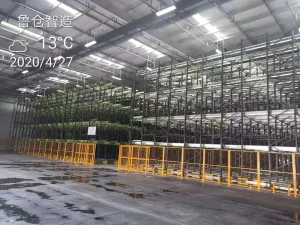
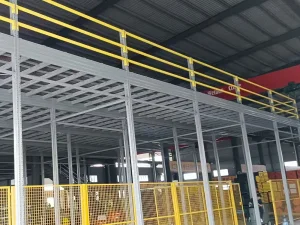
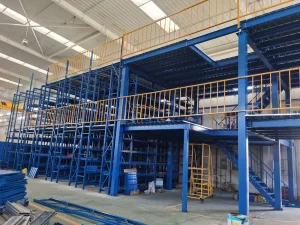
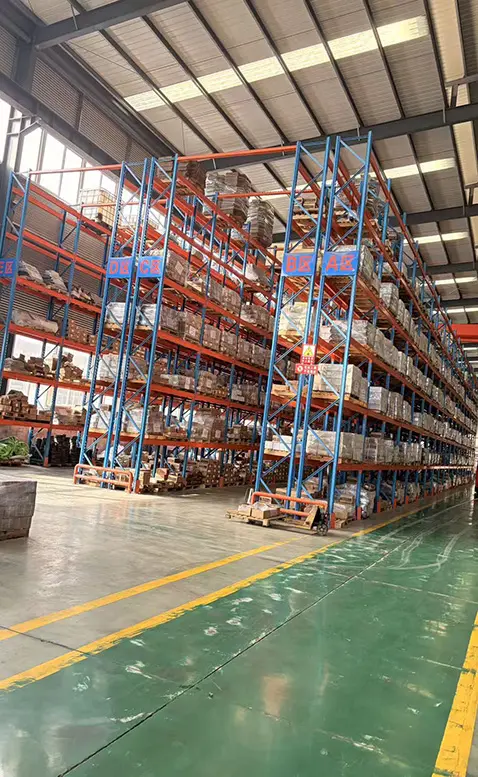
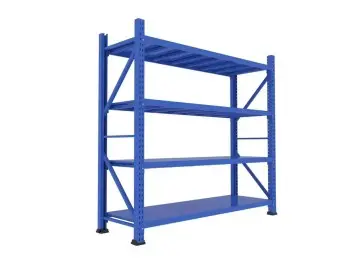
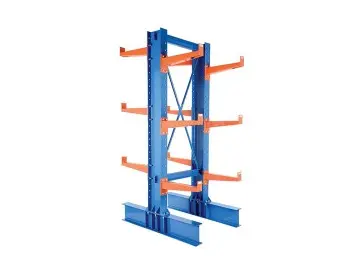
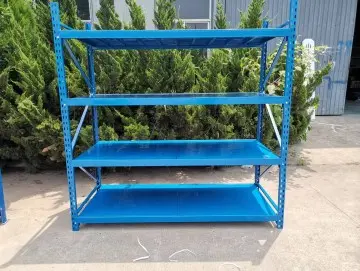
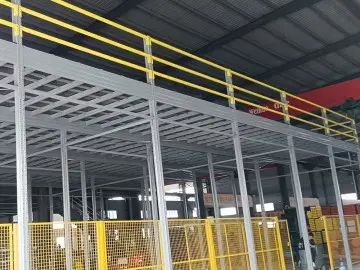
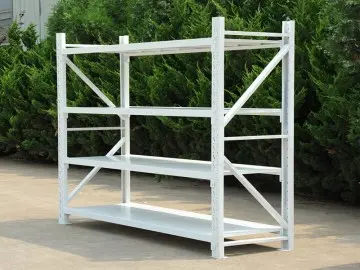
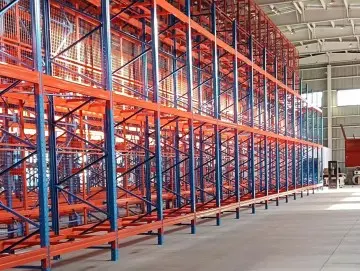
Direct factory wholesale configurations engineered for maximum volumetric density, heavy static load capacities, and seamless automated handling compatibility.
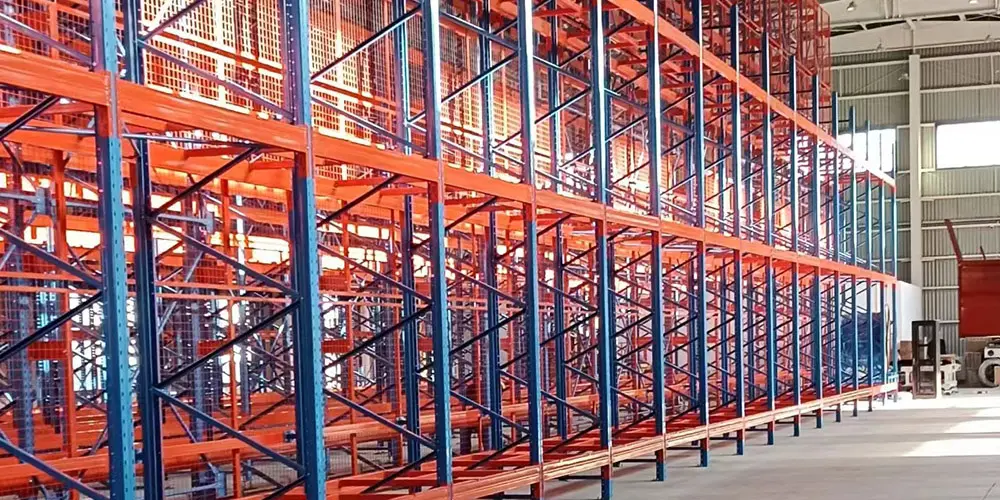
In modern industrial logistics and global supply chain management, the rapid inflation of commercial warehouse real estate cost per square meter has fundamentally shifted warehousing strategies from horizontal expansion to vertical optimization. Procurement directors, 3PL logistics managers, and warehouse design consultants are universally looking to optimize volumetric efficiency. Among the structural solutions available, Tier Racks (including multi-tier pallet racks, tier frame stacking systems, mezzanine tier platforms, and automated shuttle tier structures) represent the cornerstone of ultra-dense storage architecture.
The global demand for wholesale tier racks is currently fueled by three structural macroeconomic trends: the explosive expansion of cross-border e-commerce SKU counts, the stringent vertical space requirements of cold-chain food and pharmaceutical logistics, and the widespread adoption of Autonomous Mobile Robots (AMRs) and Automated Storage and Retrieval Systems (ASRS). According to recent global logistics infrastructure surveys, transitioning a conventional selective pallet storage layout to an engineered multi-tier racking system yields a 120% to 260% increase in cubic storage density while simultaneously reducing operational travel distances for material handlers by up to 35%.
However, securing Tier Racks directly from B2B wholesale suppliers and OEM factories involves far more than basic steel procurement. It demands rigorous finite element analysis (FEA), compliance with regional structural building codes (such as ANSI MH16.1 in North America or EN 15512 in Europe), granular structural steel selection (e.g., Q235B vs. Q355B cold-rolled structural steel), dynamic deflection modeling under full payload, and seismic zone lateral bracing calculations. This technical whitepaper explores the operational, technical, and supply-chain fundamentals that enterprise buyers must evaluate when specifying and procuring wholesale tier racking systems directly from OEM manufacturing centers.
Tier racking systems are not one-size-fits-all. Different operational environments require specifically engineered tier profiles, load decks, and surface coatings.
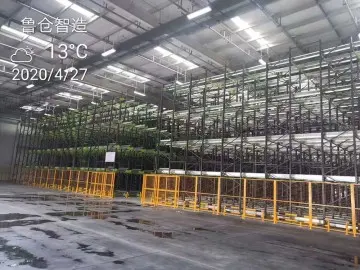
In temperature-controlled warehouses, energy costs are calculated per cubic meter. Multi-tier shuttle racking and dense push-back tier systems eliminate dead aisle space. Uprights are hot-dip galvanized or coated with low-temperature resilient epoxy coatings to prevent hydrogen embrittlement and thermal stress cracking.
Automotive assembly plants rely heavily on modular portable tier frames and heavy-duty tier racks for engine blocks, body stampings, and tires. Custom-designed cradles and tear-drop post connections allow full portability, enabling forklifts to stack loaded tier frames 4 to 6 units high without fixed aisle infrastructure.
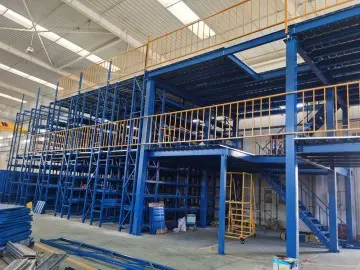
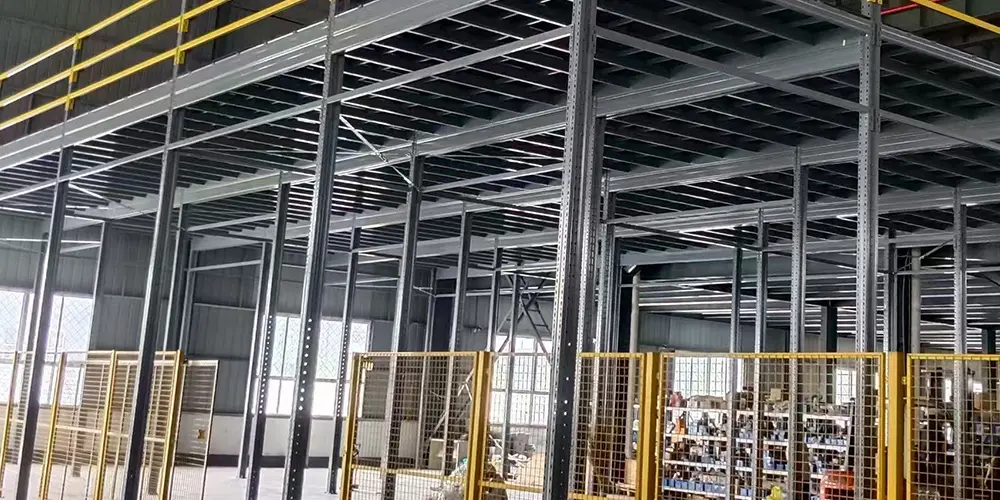
E-commerce fulfillment centers handling millions of unique SKUs employ multi-level mezzanine tier racks. Integrating steel mesh decking, staircase towers, vertical cargo lifts, and chute integration allows human pickers to work simultaneously across 3 to 4 elevated vertical levels, exponentially boosting unit pick rates.
Bulk chemical distributors utilize specialized tier frames equipped with integrated liquid-tight spill basins and fire-rated galvanized wire decks. The modular nature of individual tier racks prevents domino-effect structural collapse in the event of localized forklift impacts or thermal incidents.
Ultra-tall tier racking (exceeding 18 to 30 meters in height) serves as the primary structural skeleton for fully automated crane-operated AS/RS. Tight structural tolerances (±1.5mm vertical plumbness) are strictly enforced during factory roll-forming to ensure automated stacker cranes move without mechanical interference.
When procuring wholesale tier racks at scale, global enterprises consistently turn to specialized manufacturing hubs in China—most notably within Shandong and Jiangsu provinces. The decisive competitive advantage offered by tier rack factories in these industrial clusters stems from complete upstream-to-downstream vertical integration, advanced metallurgical control, and highly automated production processes.
Leading Chinese racking manufacturers operate in close geographic proximity to state-of-the-art steel mills (such as Baosteel and Shougang Group). This proximity enables direct purchasing of prime continuous cold-rolled steel coils (specifically Q235B, Q355B, and high-yield SS400 grades). Direct mill sourcing eliminates intermediary markups and guarantees consistent chemical compositions, optimal yield strengths ($f_y \ge 355 \text{ MPa}$), and predictable elastic modulus ($E = 2.05 \times 10^5 \text{ N/mm}^2$) necessary for high-bay structural safety.
Modern tier rack factories in Shandong utilize automated manufacturing workflows designed for zero-defect output and mass scalability:
China's logistics ecosystem provides specialized packaging and container loading engineering. Heavy racking components (uprights, beams, deck panels) are systematically bundled using custom steel strapping and wood-skid supports to prevent transit damage. Experienced export shipping departments utilize 3D CAD container software to maximize cubic filling rates in 40ft High Cube (40HC) ocean containers—reducing freight costs per pallet position by up to 22% for international buyers.
Direct comparative analysis of structural parameters, load dynamics, and operating characteristics across core wholesale tier rack variants.
| Tier Rack Architecture | Typical Payload / Tier | Structural Steel Grade | Volumetric Efficiency | Forklift Interaction | Compliance Standard |
|---|---|---|---|---|---|
| Portable Stacking Tier Frames | 1,000 kg – 2,000 kg | Q235B Structural Tubing | Flexible / Dynamic | External Drop-Off | ISO 9001 / CE |
| Multi-Tier Mezzanine Racking | 300 kg – 1,000 kg/m² | Q355B Hot-Rolled / Cold-Formed | Very High (+200%) | Manual / Lift Integrated | EN 15512 / ANSI MH16.1 |
| Radio Shuttle Tier Racks | 1,500 kg / Pallet Position | Q355B High-Tensile Coil | Maximum (+260%) | Aisle Face Only (Semi-Auto) | FEM 10.2.02 / AS4084 |
| Push-Back Cart Tier Systems | 1,000 kg – 1,500 kg / Lane | Q235B / Cold-Rolled C-Profile | High (+150%) | Front Aisle Loading | ANSI MH16.1 / RMI |
| Heavy-Duty High-Bay Selective | 1,000 kg – 4,000 kg / Level | Q235B / Q355B Dual Grade | Standard (100% Selective) | Direct Reach / VNA Truck | EN 15512 / ISO 9001 |
For international enterprise buyers, procuring wholesale tier racks requires strict adherence to localized building regulations, environmental standards, and structural engineering safety codes. Top-tier Chinese manufacturers do not merely produce static steel; they provide comprehensive engineering documentation and certified design calculations verified by third-party testing agencies (such as SGS, TÜV Rheinland, or Bureau Veritas).
Export-ready tier racking designs adhere strictly to region-specific engineering frameworks:
In high-seismicity regions (such as the West Coast of the US, Chile, Japan, or New Zealand), tier rack structures must be engineered to withstand lateral seismic acceleration forces ($Z$-factors). Factory engineering teams utilize 3D Finite Element Analysis software (ANSYS / SAP2000) to simulate earthquake ground motion dynamics. High-seismicity tier racks feature heavy-duty oversized baseplates, dynamic floor anchor bolts, cross-aisle top bracing, and high-ductility structural beam-to-column connections to prevent catastrophic collapse.
Compliance with National Fire Protection Association (NFPA 13) standards is vital for high-density multi-tier storage systems. Factory designs integrate open-mesh wire decking (minimum 50% open area ratio) or perforated steel shelves to allow unimpeded water penetration from overhead sprinklers. Additionally, structural beams are pre-punched with mounting slots to accommodate dedicated in-rack sprinkler pipe networks directly at intermediate storage levels.
The convergence of industrial IoT, smart sensor arrays, autonomous robotics, and sustainable metallurgy is transforming static tier racks into intelligent storage nodes.
Future tier racks will incorporate embedded piezo-electric strain sensors directly into critical load beams and column bases. Real-time telemetry alerts warehouse management systems (WMS) if a beam exceeds allowable elastic deflection limits or experiences structural shock from forklift impacts.
Tier frame designs are evolving to seamlessly interface with Autonomous Mobile Robots (AMRs) equipped with hydraulic top-lifts. Standardized base sockets enable AMRs to drive beneath portable tier racks, lift the entire structure, and transport it directly to automated picking stations.
As ESG mandates take hold globally, tier rack factories are transitioning to hydrogen-reduced direct reduced iron (DRI) steel sources and zero-VOC waterborne powder coatings, reducing the total embedded carbon footprint ($CO_2e/kg$) of factory racking by over 40%.
Detailed technical answers to common questions raised by warehouse developers, engineers, and procurement officers prior to contract award.
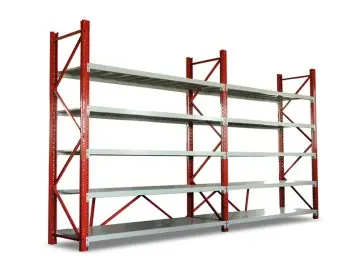
Guake Logistics Technology manufactures a complete spectrum of heavy-duty industrial storage equipment, including:
The choice depends primarily on operational flexibility vs. vertical height utilization:
Portable Tier Frames (stackable rack frames) are ideal for seasonal inventory fluctuations, bulk non-standard cargo, and facilities that frequently reconfigure their floor space. They require zero floor anchoring and can be collapsed when empty.
Static Multi-Tier Racking / Mezzanines are bolted permanently into the concrete slab and are engineered to utilize the full height of buildings (up to 12+ meters). They are ideal for high-density pallet storage, e-commerce order picking, and permanent 3PL warehousing operations.
Yes. Our in-house structural engineering team provides full architectural layout planning. When you submit your floor plan (DWG, CAD, or PDF format), clear height measurements, concrete slab thickness, unit load dimensions, pallet weight, and forklift operating specs, we deliver a 3D structural proposal along with complete FEA static calculations.
All structural components are manufactured using certified prime continuous cold-rolled steel coils (principally Q235B and high-yield Q355B). Production follows ISO 9001:2015 certified protocols. Quality checks include online dimensional laser scanning, ultrasonic weld seam testing, zinc/powder coating thickness verification, and destructive load testing of sample beam assemblies.
Every export project includes detailed component tagging, 3D installation assembly drawings, step-by-step guidance manuals, and container loading maps. Racking components are wrapped in protective bubble film, steel-strapped onto custom heavy-duty skids, and loaded to prevent movement during sea transit. For large overseas projects, we can also dispatch structural installation engineers or provide remote video supervision during commissioning. Learn more on our Global Service portal.
Standard custom wholesale orders typically require 15 to 25 days for complete factory production following engineering design approval. Large-scale high-bay projects (exceeding 10,000 pallet positions) are delivered in planned phased container shipments to align with your site's ground installation schedule.
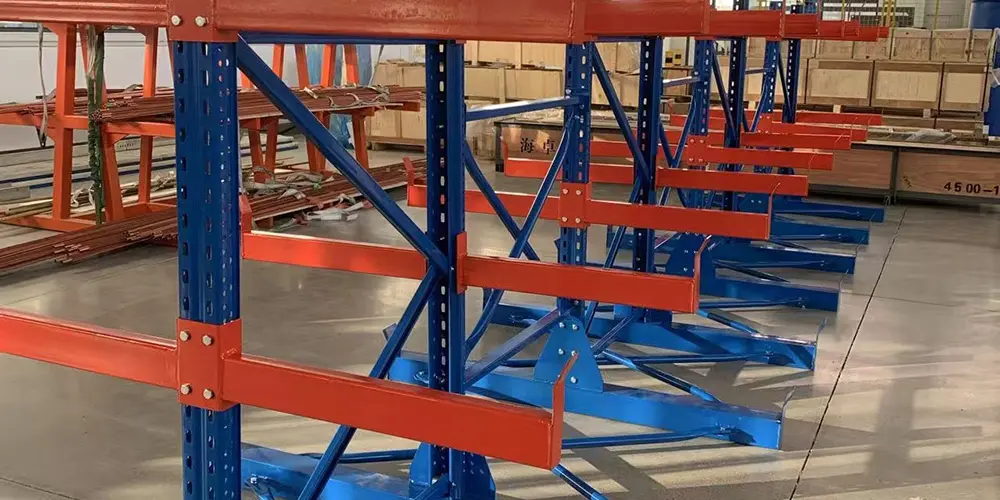
Browse our extended product line of engineered pallet racking, specialized cantilever systems, and structural platforms.
Connect directly with our engineering team in Shandong. Request factory-direct wholesale pricing, order full engineering catalogs, or submit your warehouse floor plans for free 3D CAD layout planning.