
1 / 5


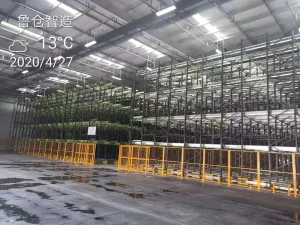
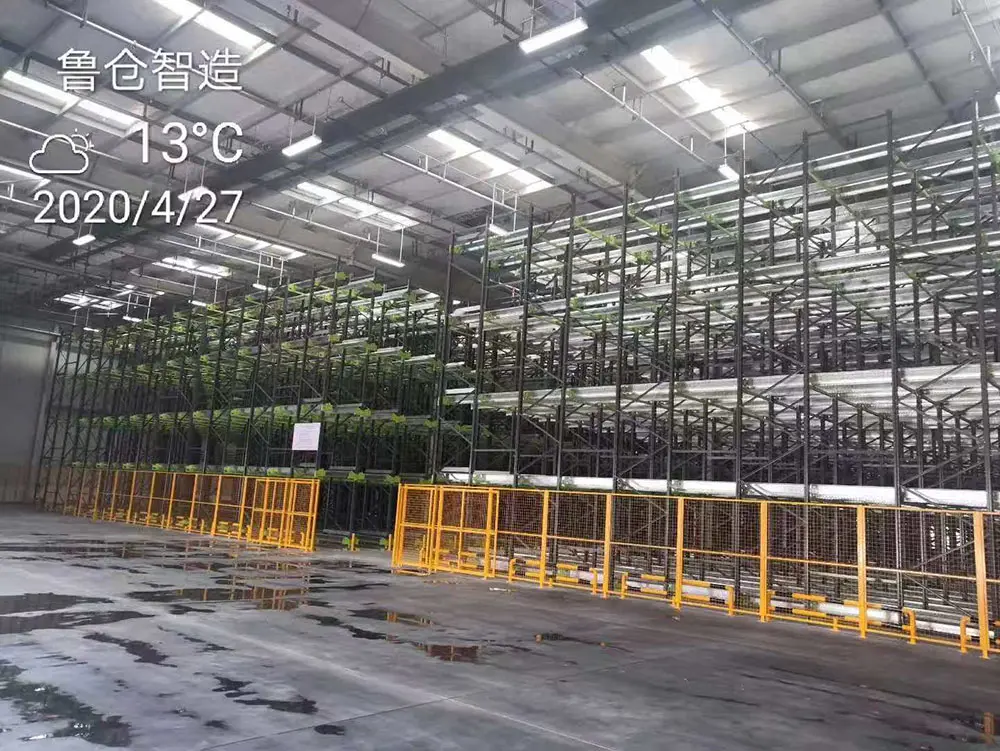
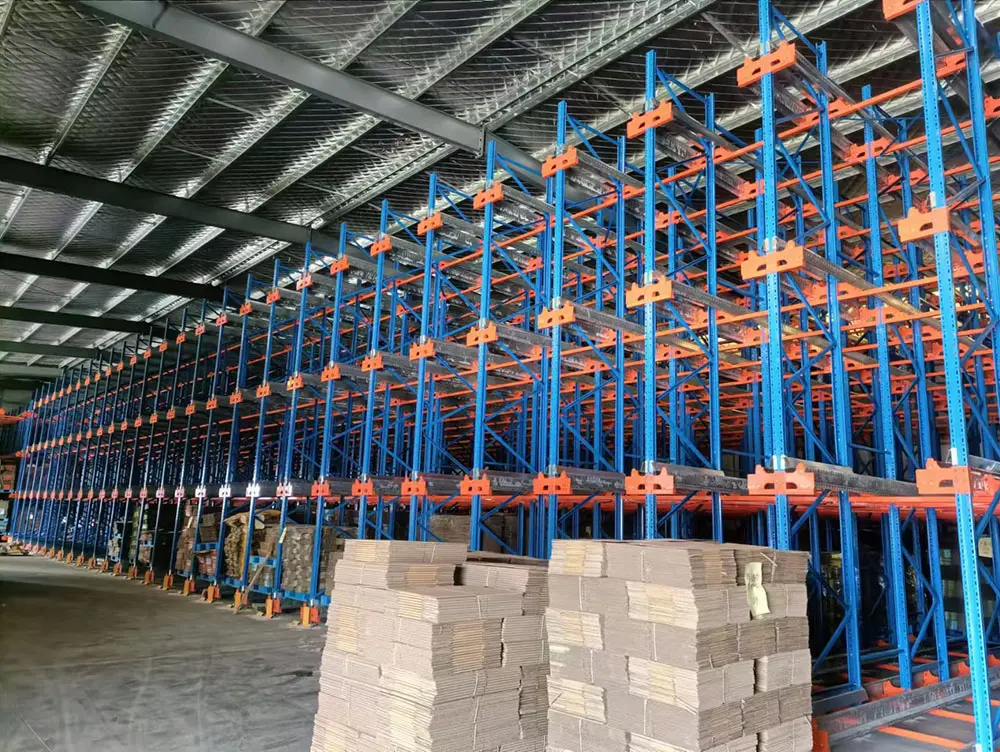
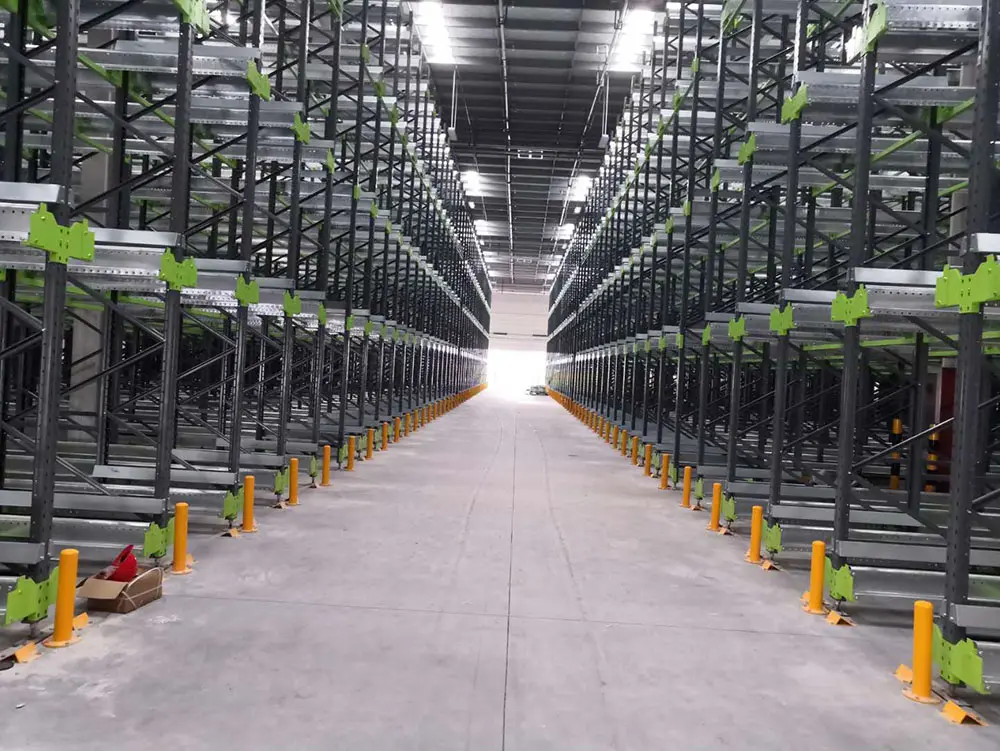
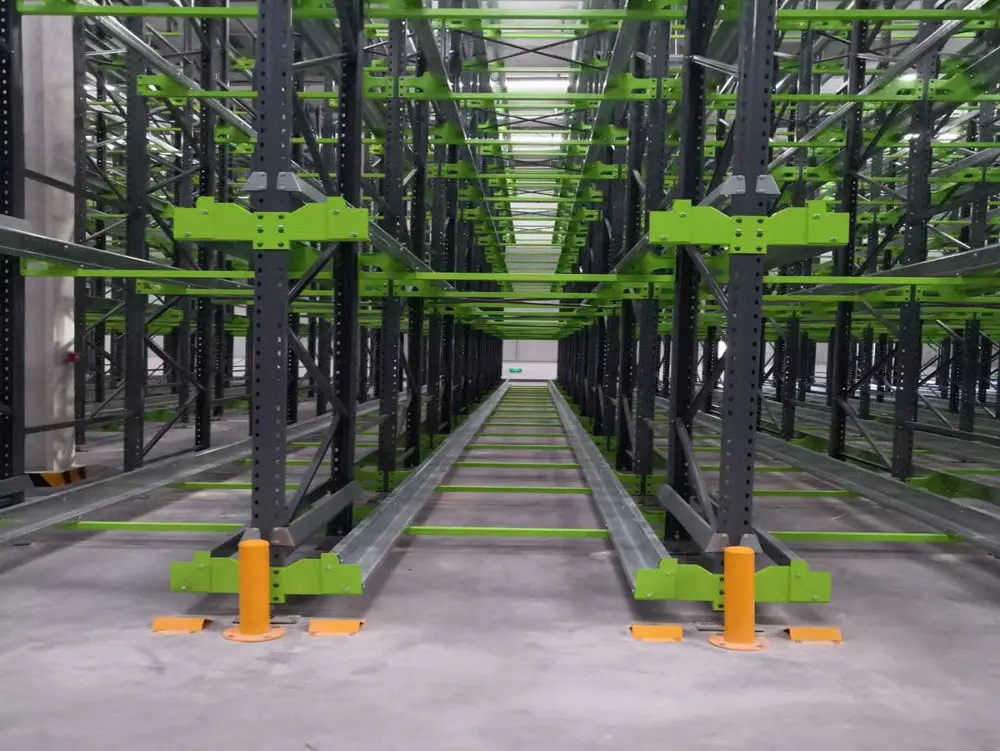
Primarily a heavy-duty beam structure with dedicated rails between layers, allowing for multi-level, high-level (commonly 10-15 meters) dense arrangement without the wide aisles of traditional forklifts.
Battery-powered, automatically running along rails, equipped with lifting/fork mechanisms, achieving positioning accuracy up to ±5mm; available in unidirectional, bidirectional, and four-directional configurations, supporting multi-shuttle collaboration.
Front-end connections are made using high-bay forklifts/stall cranes at aisle entrances, working in conjunction with a WMS/WCS system for instruction issuance, inventory tracking, and task scheduling.
Rails, power supply/charging devices, safety sensors, collision protection, etc.
A forklift delivers palletized goods to the target aisle entrance; upon WMS instruction, a shuttle moves to the entrance, lifts the pallet, and drives along the track to the designated depth storage location, lowers the goods, and returns.
As instructed, the shuttle moves to the corresponding storage location, lifts the pallet, transports it to the aisle entrance, and the forklift retrieves it.
The system can flexibly switch between First-In-First-Out (FIFO) and Last-In-First-Out (LIFO) to meet different batch and turnover requirements.
Cold chain warehousing (reducing personnel working at low temperatures), food/beverage/tobacco (large volume, stable turnover), pharmaceuticals (strict batch traceability), manufacturing raw material/finished product warehouses.
Determine the shuttle type (one-way/two-way/) based on pallet size/weight, average daily throughput, whether FIFO is used, warehouse height/floor load, and budget.
Rack manufacturing + rail installation, shuttle procurement, WMS integration, construction and commissioning, and post-construction maintenance (battery replacement, rail maintenance).
A shuttle rack system is a high-density storage solution that utilizes self-propelled shuttle cars running on rails within rack channels to automatically store and retrieve palletized goods, reducing forklift aisle requirements.
Shuttle racking systems can increase warehouse space utilization by 30% to 50% compared to conventional selective pallet racking by eliminating internal operating aisles.
Yes, the shuttle system can be configured to support both First-In-First-Out (FIFO) and Last-In-First-Out (LIFO) operational modes based on your warehouse design and turnover demands.
Yes, shuttle racks are ideal for cold storage. They reduce the space needed to be cooled and minimize the time human operators spend working in low-temperature environments.
Key cost elements include rack manufacturing and rail installation, shuttle vehicle procurement, WMS software integration, commissioning, and ongoing maintenance such as battery upkeep.